Spotting trouble before it leaks
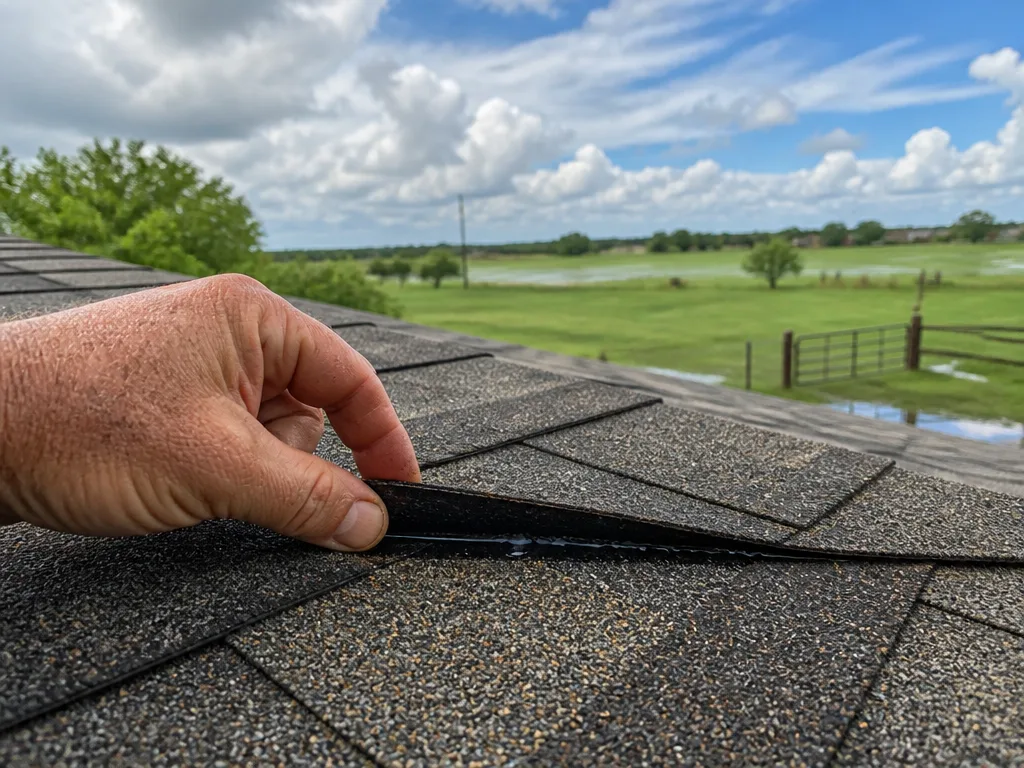
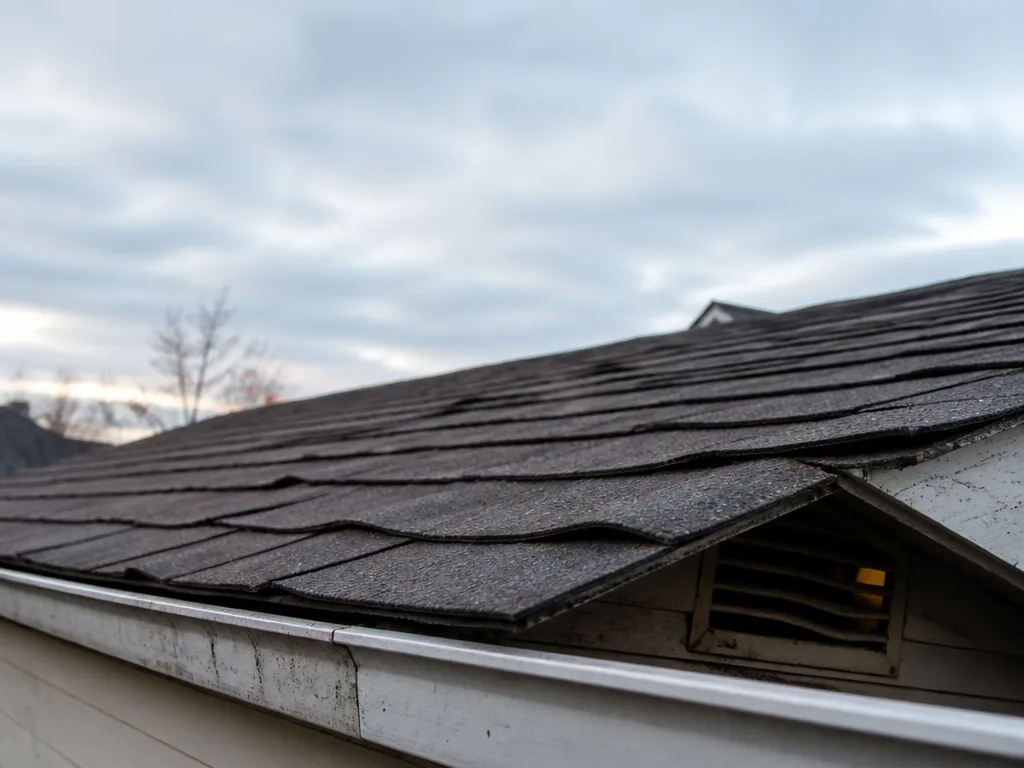
Roof problems rarely appear out of nowhere. In Oklahoma, heat, hail, and rapid temperature swings stress shingles and flashing. A careful eye from the homeowner can catch issues early, saving money and future headaches. Start with a simple walk around the perimeter of the house after a storm. Look for missing shingles, curling edges, and granules gathering in gutters. Those granules are a telltale sign the shingles are losing their protective coating and may fail sooner than you think.
Inside the attic, use a flashlight to look for sunlight peeking through the roof deck or damp spots on insulation. Dark stains or musty smells can indicate moisture intrusion. These issues don’t always scream for a full roof replacement, but they do call for a professional assessment from roofers who know Oklahoma conditions and can prioritize repairs that last.
Common warning signs you should act on
Beyond the obvious shingles lying in the yard, keep an eye out for: loose flashing around chimneys or vents, granule buildup in gutters, or a roof that sounds hollow when you tap it from above. In Oklahoma, summer storms produce hail and heavy rain that can dent metal components and damage underlayment. If you notice increasing energy bills, attic warmth, or visible daylight from the attic, it’s time to call roofers for a closer look.
When in doubt, schedule a free inspection with Oklahoma Gutter Pros. Our crews are spread across Oklahoma to assess issues accurately and tailor repairs to your home’s specifics.
What a professional assessment covers
A roofer should inspect shingles, underlayment, flashing, and ventilation. They’ll check attic insulation and look for moisture paths that could lead to rot. In Oklahoma, climate-driven wear means the assessment should consider wind uplift, hail impact, and repeated freeze-thaw cycles. A thorough report will outline needed repairs, expected lifespan, and a practical timeline that fits your budget.
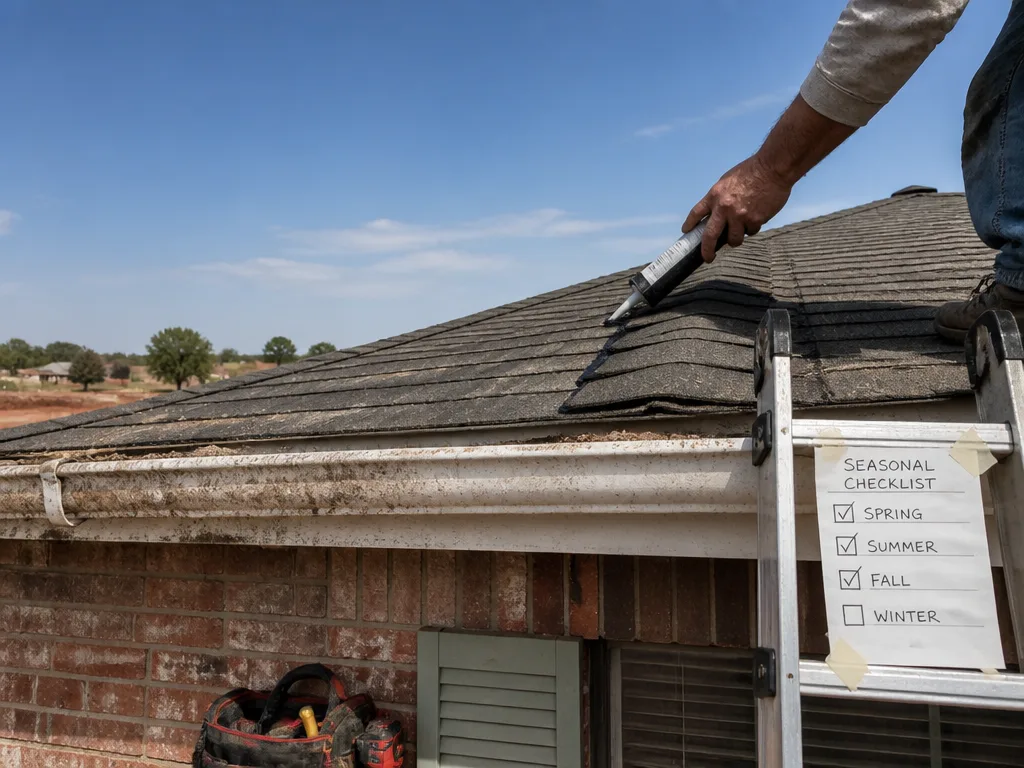
Remember, early action beats reactive fixes. A quick, professional check can prevent costly water intrusion and structural damage later on.